Formica sheets provide designers, manufacturers and property owners with a practical way to introduce colour, texture and character into interior spaces. Their wide range of designs makes them suitable for many commercial and residential applications. However, choosing the right surface involves more than finding an attractive colour. You should also consider the location, intended use, […]
Formica sheets provide designers, manufacturers and property owners with a practical way to introduce colour, texture and character into interior spaces. Their wide range of designs makes them suitable for many commercial and residential applications.
However, choosing the right surface involves more than finding an attractive colour. You should also consider the location, intended use, surrounding materials and maintenance requirements.
Consider Where You Will Use the Surface
Start by identifying exactly where the sheets will appear. A reception desk will face different demands from a bedroom cabinet or decorative wall panel.
Busy commercial environments may experience regular contact, cleaning and general wear. These settings require a surface specification that suits the level of activity.
A quieter residential application may allow you to focus more heavily on colour and texture. However, you should still consider how people will use the finished surface.
The substrate, edge details and installation method will also influence the final result. Discussing these elements early can prevent delays during manufacturing or fitting.
Choose a Colour That Supports the Design
Colour can influence how large, bright or welcoming a room feels. Lighter shades may help smaller interiors feel more open.
Darker colours can create depth and contrast. They often work well on feature furniture, worktops and statement reception areas.
Neutral shades provide a flexible foundation for many interiors. They can complement changing furniture, branding and decorative details over time.
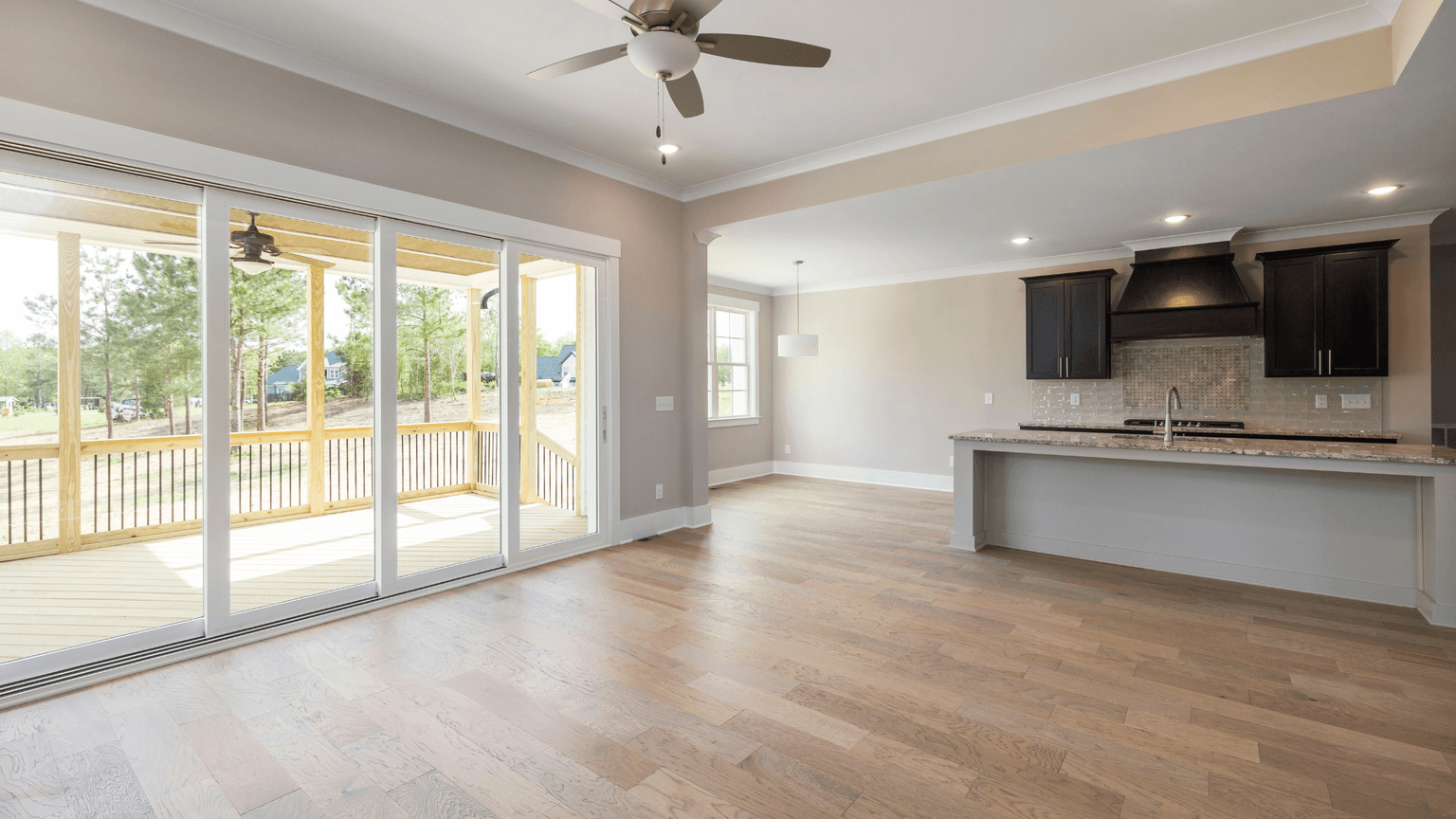
You should view samples in the intended room whenever possible. Natural and artificial lighting can change how a colour appears throughout the day.
Explore Different Patterns and Finishes
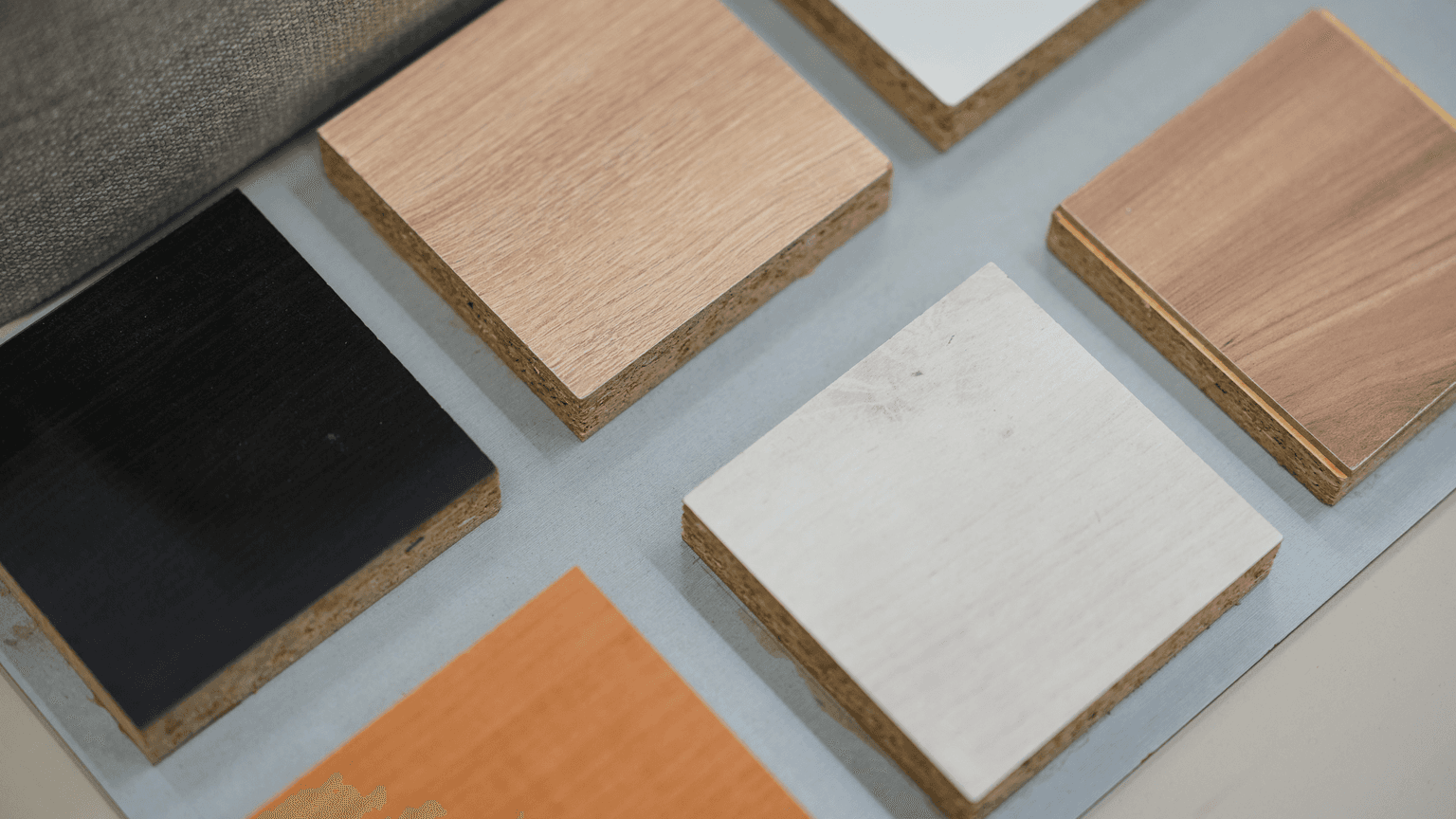
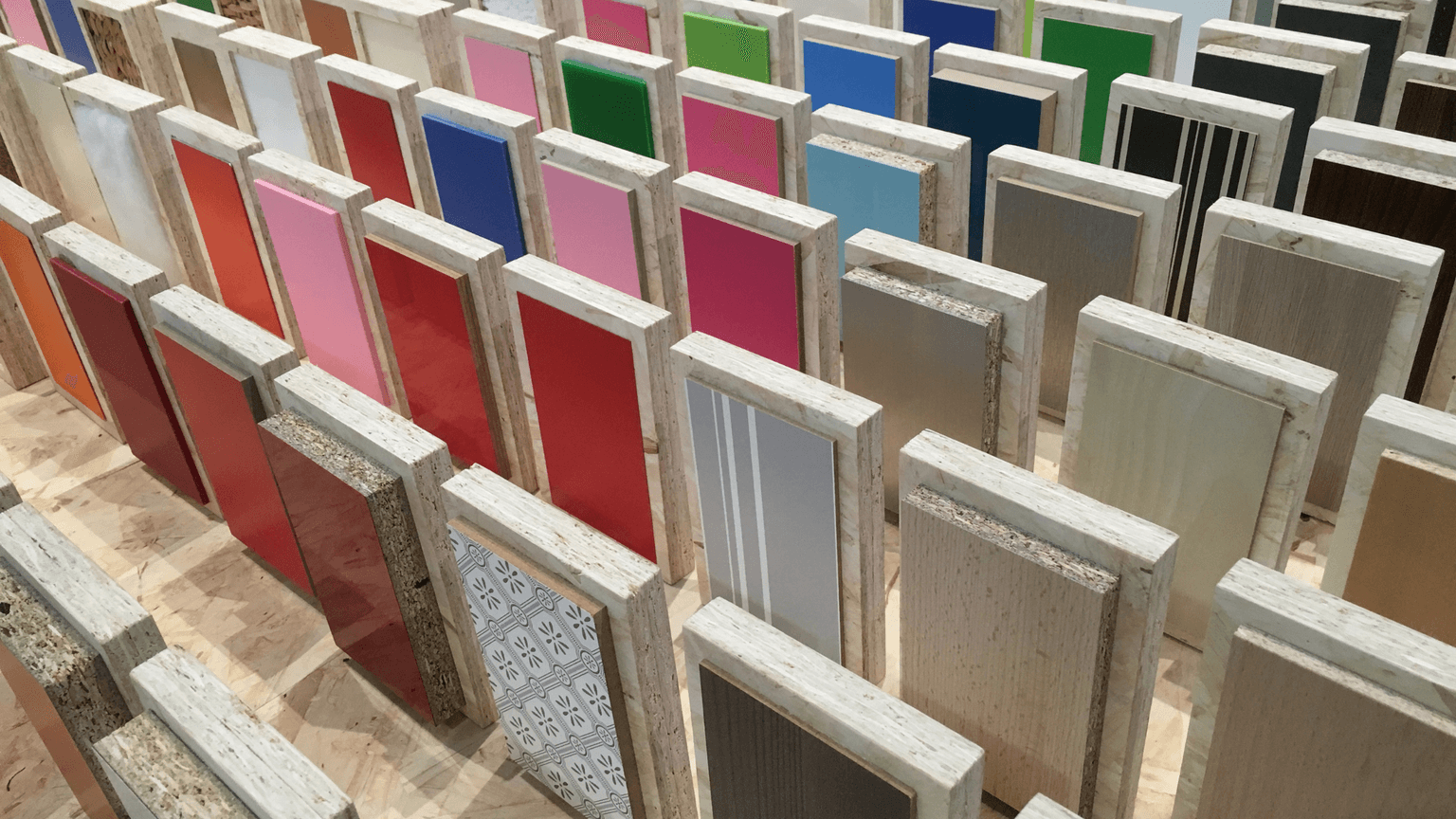
Formica sheets extend beyond plain colours. Patterns inspired by wood, stone and other materials can introduce visual interest into a project.
Wood-inspired designs may create a warm and welcoming appearance. Stone-style surfaces can support a more refined or contemporary scheme.
Abstract patterns can make a stronger statement. They may suit retail, hospitality and creative commercial environments.
The surface finish also changes the overall effect. A matt finish can create a subtle appearance, while other textures may add greater depth.
Consider how the finish will interact with lighting and surrounding materials. A sample can help you assess the appearance before making a final decision.
Think About Daily Use
The right decorative surface should suit the activities taking place around it. Furniture, doors and work areas may experience frequent handling.
You should consider cleaning frequency, potential impacts and contact with moisture. The exact requirements will vary between rooms and applications.
A surface used vertically may face different demands from one used on a worktop. Always select the appropriate product specification for the intended use.
Manufacturers and suppliers can explain the available options. They can help you avoid selecting a decorative design that does not suit the application.
Coordinate With Other Materials
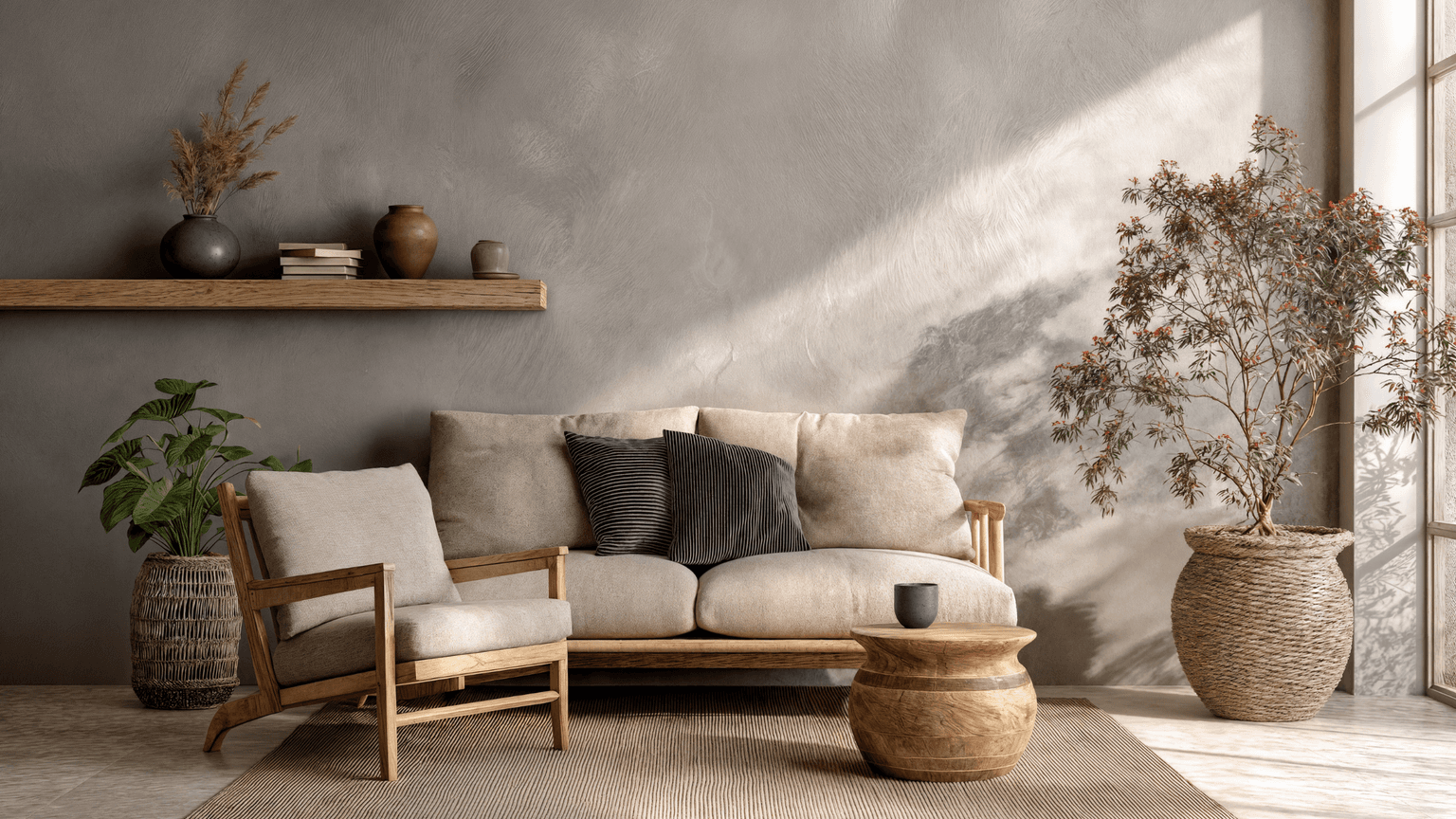
Most interiors contain several colours, textures and finishes. Your chosen surface should work alongside flooring, walls, fabrics and metalwork.
A project does not need every element to match exactly. Contrast can create a more interesting and layered design.
However, the materials should still feel connected. Repeating a colour or tone elsewhere in the room can create a more cohesive finish.
Designers can use mood boards and physical samples to compare combinations. This often provides a clearer picture than viewing individual products online.
Order Samples Before Making a Decision
Digital images provide a helpful starting point, but screens cannot always represent colours and textures accurately.
Physical samples allow you to examine the surface in the intended lighting. You can also compare it directly with paint, flooring and other materials.
For larger projects, confirm your selection before manufacturing begins. Changing the specification later may affect budgets and timescales.
Contact Plastics and Veneers
Plastics and Veneers can help you explore Formica sheets for furniture, decorative panels and interior projects. Contact the team to discuss your requirements and available surface options.