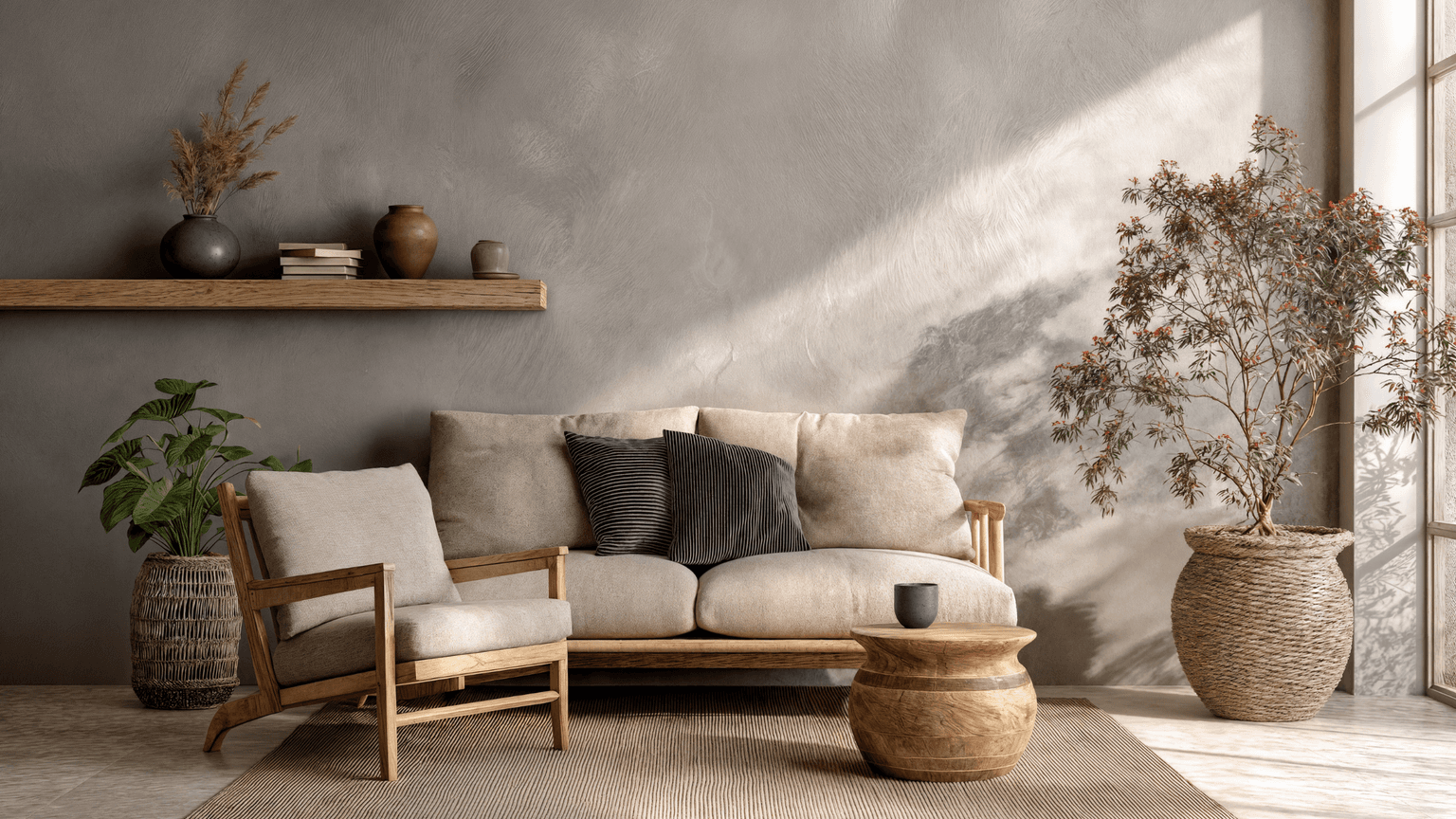
Formica surfaces can transform interior spaces by introducing colour, pattern and texture across furniture, counters and decorative features. They give designers the freedom to create distinctive environments without overlooking practical requirements. From welcoming reception areas to contemporary retail displays, decorative laminates can support many different design styles. Careful selection can help connect the room’s visual […]
Formica surfaces can transform interior spaces by introducing colour, pattern and texture across furniture, counters and decorative features. They give designers the freedom to create distinctive environments without overlooking practical requirements.
From welcoming reception areas to contemporary retail displays, decorative laminates can support many different design styles. Careful selection can help connect the room’s visual identity with its intended purpose.
Create a Strong First Impression
The entrance to a building shapes a visitor’s first impression. Reception desks, wall panels and counters can become important visual features.
A carefully chosen laminate can add character to these areas. Bold colours may reflect a creative brand, while neutral finishes can create a more understated appearance.
Businesses can also use colours that coordinate with their existing branding. This helps create a consistent experience across signage, furniture and interior details.
The surface should still suit the demands of a busy entrance. Designers need to balance visual impact with practical daily use.
Add Warmth With Wood-Inspired Designs
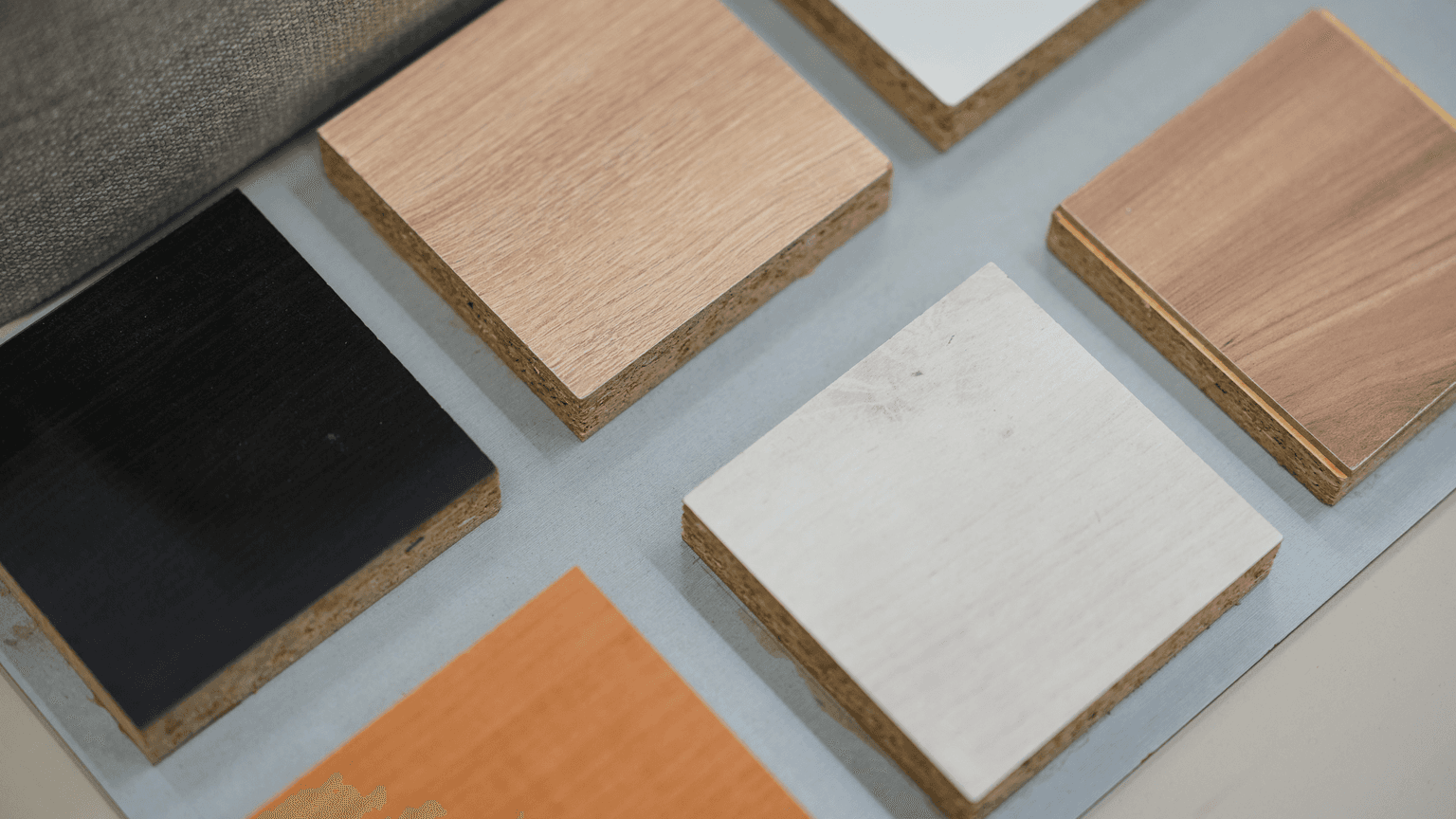
Wood-inspired surfaces can bring warmth and texture into offices, shops and hospitality environments. They may complement both traditional and modern interiors.
Lighter wood tones can help create a relaxed and open atmosphere. Darker shades may produce a richer and more dramatic effect.
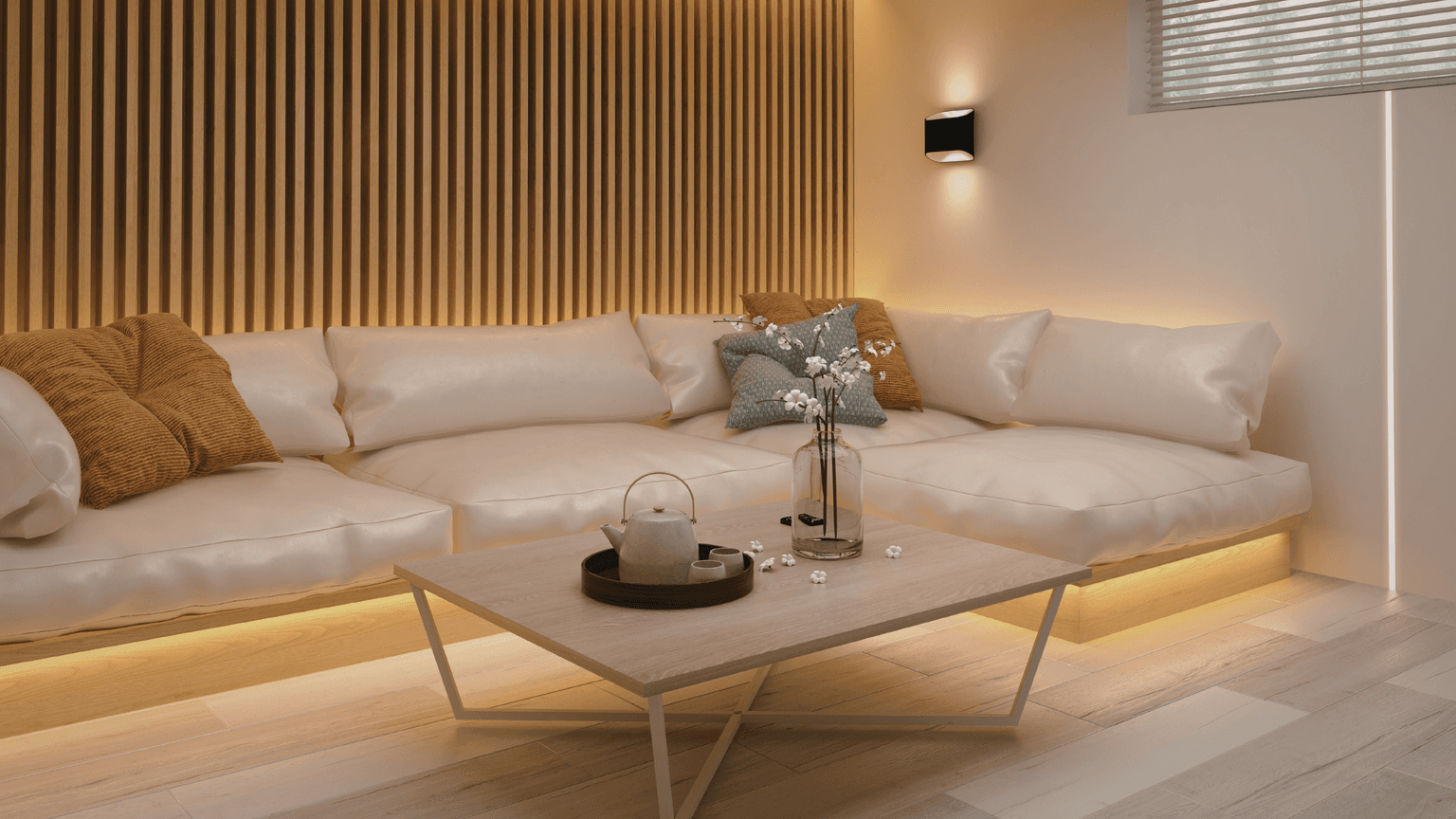
Designers can use these surfaces across furniture, partitions and feature walls. Repeating the same finish in selected areas can bring the scheme together.
Combining wood effects with plain colours can also create contrast. This approach prevents the interior from feeling overly uniform.
Introduce Stone-Inspired Details
Stone can create a refined appearance, but natural materials may not suit every application or project.
Stone-inspired laminates allow designers to introduce similar visual themes across suitable interior surfaces. They may work well on counters, tables and feature furniture.
The pattern scale should suit the size of the item. A large pattern may dominate a small panel, while a subtle design could disappear across a wider area.
Viewing a full sample helps designers understand how the pattern will appear after fabrication.
Use Colour to Shape the Atmosphere
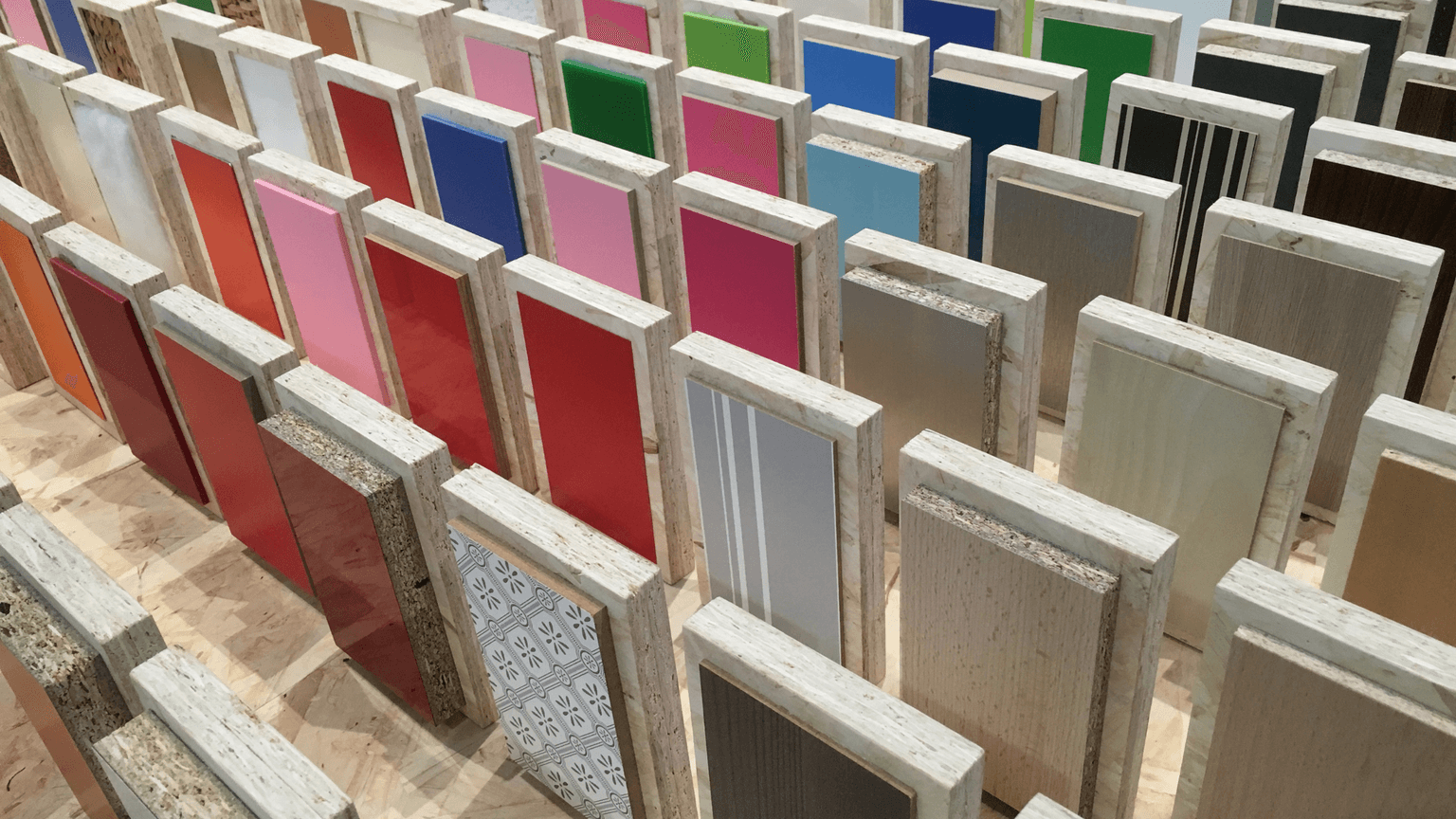
Colour can change how people experience a room. Warm shades may create an energetic or welcoming environment.
Cool tones can support a calmer appearance. Neutral colours provide flexibility and allow furniture or branding to take greater visual focus.
Commercial spaces can use colour to define different zones. A workplace might distinguish collaboration areas from quieter spaces through surface choices.
Retailers may use contrasting colours to draw attention towards counters or product displays. Schools and public buildings can also use colour to support navigation.
Refresh Existing Furniture
Replacing every piece of furniture may not always provide the most practical route to an interior update. Some suitable items may benefit from new decorative surfaces.
Applying a different finish can change the appearance of cabinets, counters or fitted furniture. The existing substrate must remain suitable for the proposed work.
A professional fabricator can assess the item before proceeding. This ensures the new surface and edge details receive proper preparation.
Refurbishment decisions should consider the condition, design and expected future use of the furniture.
Create Coordinated Interior Features
Designers can use Formica across several elements to create a connected scheme. A reception desk might coordinate with wall panels or storage units.
However, using one finish everywhere can make a space feel flat. Combining complementary colours and textures often creates a more balanced result.
Small details can make a meaningful difference. Edges, handles, lighting and surrounding materials all affect how the finished surface appears.
Planning these features together produces a more deliberate interior.
Balance Appearance With Practicality
Every material must suit its intended application. Designers should consider wear, cleaning, moisture and contact before selecting a specification.
Horizontal and vertical surfaces may require different products. The supplier can help identify suitable options for each part of the project.
Correct fabrication and installation also influence the finished quality. Accurate cutting, secure bonding and well-completed edges support a professional result.
Contact Plastics and Veneers
Plastics and Veneers can help you explore Formica surfaces for a wide range of interior applications. Contact the team to discuss colours, patterns and finishes for your next project.