
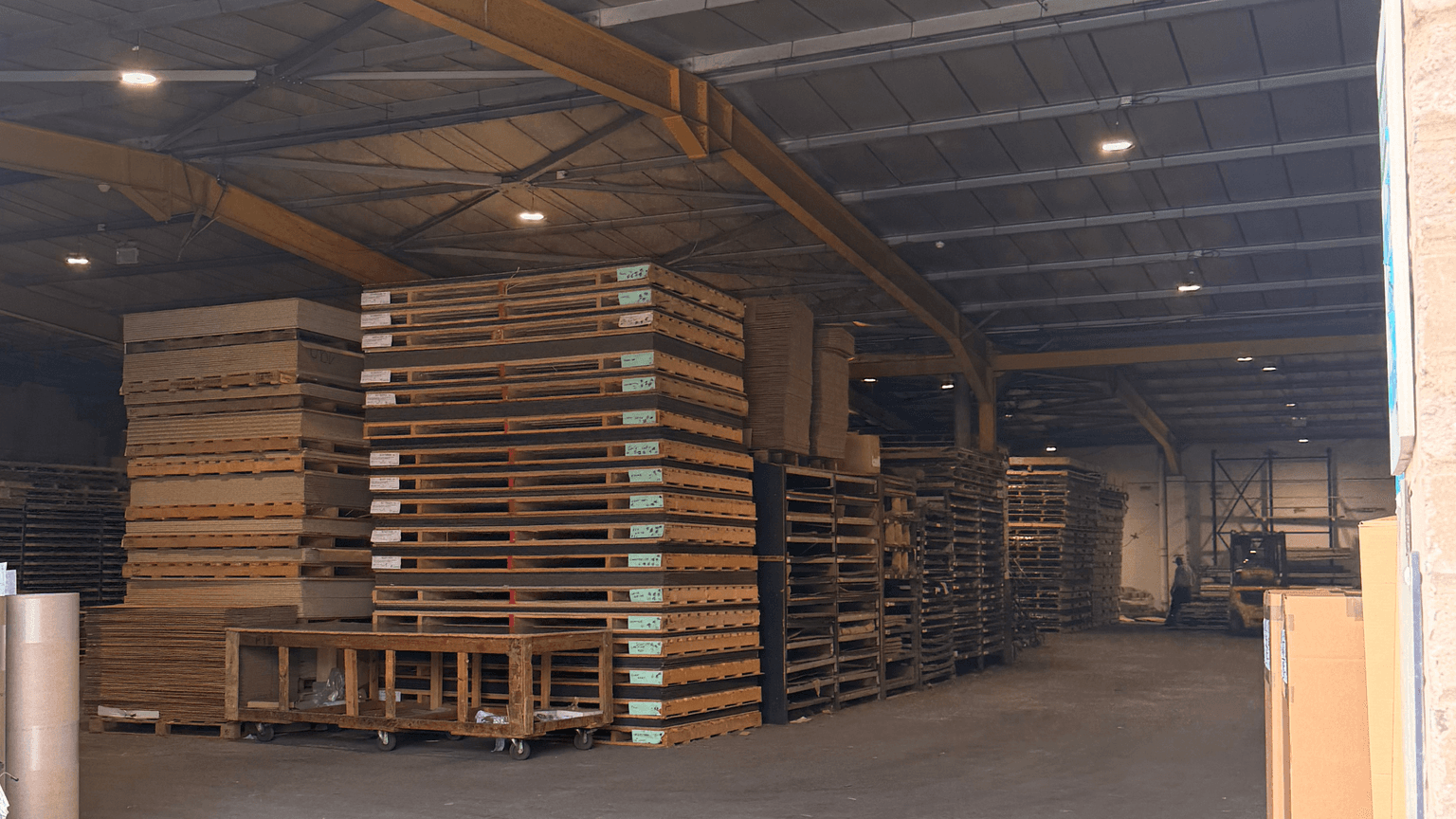
A reliable warehouse helps keep materials organised, protected and ready to move through each stage of the supply process. It connects incoming products with customer orders, manufacturing schedules and planned deliveries. Effective warehousing involves much more than placing products on shelves. Clear processes, careful handling and accurate stock information all support dependable customer service. Receiving […]
A reliable warehouse helps keep materials organised, protected and ready to move through each stage of the supply process. It connects incoming products with customer orders, manufacturing schedules and planned deliveries.
Effective warehousing involves much more than placing products on shelves. Clear processes, careful handling and accurate stock information all support dependable customer service.
Receiving Materials Efficiently
The warehouse process begins when materials arrive. Teams need to check products against the relevant delivery information.
Careful receiving can identify visible damage, missing items or incorrect quantities. Finding these issues early makes them easier to investigate.
Staff must then move products to an appropriate storage location. Delays during this stage can create congestion and make stock harder to track.
Clear labelling helps maintain accurate records. It also supports faster retrieval when a customer places an order.
Protecting Decorative Materials
Laminates, panels and other decorative products need careful handling. Scratches, chips and moisture can affect their appearance and suitability.
The warehouse should store products in conditions that reflect their requirements. Teams must also avoid placing materials where vehicles or equipment could damage them.
Protective packaging helps preserve the surface during storage and movement. Staff should check packaging before dispatch and report signs of damage.
Good storage practices protect product quality while reducing unnecessary waste.
Maintaining Stock Organisation
An organised warehouse allows teams to locate materials without avoidable searching. Clear product locations support quicker and more accurate order preparation.
Similar colours, patterns or product codes can create confusion. Labelling and stock-control procedures help employees distinguish between them.
Regular stock checks can identify differences between physical quantities and recorded information. Resolving these differences supports more reliable customer updates.
The layout should also allow safe and practical movement. Products must remain accessible without blocking walkways or handling routes.
Preparing Orders Accurately
Customers rely on suppliers to provide the correct materials and quantities. Picking errors can delay manufacturing and installation work.
Warehouse staff should follow clear order information. They must check product references, dimensions and quantities before preparing dispatch.
Some orders may involve several related materials. Keeping these items together can make delivery and customer checks more straightforward.
A final review before dispatch gives the team another opportunity to identify errors or visible damage.
Supporting Manufacturing Schedules
Manufacturers and fabricators often plan work around expected material deliveries. A late or incorrect order may affect several later stages.
Reliable warehousing supports the movement of products from storage to preparation or dispatch. Accurate stock information helps teams respond to customer enquiries.
Communication remains important when availability changes. Prompt updates allow customers to review schedules or consider alternatives.
A dependable process helps reduce uncertainty throughout the supply chain.
Managing Different Product Sizes
Decorative materials can vary significantly in size, weight and format. Warehouse teams need appropriate storage and handling arrangements.
Larger sheets and panels may require specialist positions or equipment. Smaller samples and accessories need organised spaces that prevent loss.
The layout should reflect how frequently teams access each product. Frequently requested materials may benefit from more convenient locations.
Businesses should review their storage arrangements as product ranges and customer demand change.
Coordinating Dispatch and Delivery
The warehouse must prepare orders in time for collection or delivery. This requires coordination between sales, stock and dispatch teams.
Suitable packaging helps protect products during transport. Staff should consider the size, surface and vulnerability of each item.
Clear documentation also supports the process. Customers and delivery teams need accurate information about the order.
Although unexpected transport issues can occur, careful preparation reduces avoidable delays before the materials leave the warehouse.
Contact Plastics and Veneers
Plastics and Veneers understands the importance of keeping decorative materials organised and moving towards the next stage of your project. Contact the team to discuss product availability and your material requirements.